Good to know: Liveaboard Labuan Bajo is operated by Komodo Luxury, a real award-winning Indonesian liveaboard operator (TripAdvisor Travelers’ Choice 2022–2025, founded 2015, part of Juara Holding Group Limited). Komodo National Park (UNESCO 1991) requires park entry fees/permits — general information, verify current rates. Dive-site conditions and seasons are indicative and vary; Komodo currents are strong and many north sites are advanced. Marine life — mantas, hammerheads — is seasonal and wild, and can never be guaranteed. Prices are indicative ranges, by quote, and vary by vessel, cabin, season, trip length and open-vs-private. Enquiries and booking via WhatsApp +62 811-3823-875 and [email protected].
Komodo liveaboard seasickness is motion sickness that guests can feel on multi-day boat trips in Komodo National Park, caused by the boat’s movement, wind, and swell. On a seasickness liveaboard cruise from Labuan Bajo, how much you feel it depends on season, route, cabin location, your own sensitivity, and how well you prepare before and during the trip.
What to Expect: Komodo Liveaboard Seasickness in Real Conditions
Komodo National Park sits at the meeting point of the Indian Ocean and the Flores Sea. That mixing of water masses is what creates Komodo’s famous currents for drift dives—and also the wind and chop that can trigger komodo boat motion sickness for some guests.
Komodo Luxury has operated luxury phinisi liveaboards out of Labuan Bajo since 2015, under Juara Holding Group Limited. Across our Komodo Signature and Komodo Prestige luxury phinisi, we see the same pattern season after season:
- Most guests feel fine or only mildly off for a few hours.
- A smaller group are motion-sensitive and need consistent prevention (medication, patches, habits).
- A very small number feel unwell enough to skip dives or land activities during rougher crossings.
You do not need to be an “iron stomach” traveler to enjoy a Komodo liveaboard—but you do need to prepare realistically and choose timing, cabin and trip style that match your body.
Seasons, Swell and Wind: When Komodo Feels Rough (and When It’s Calm)
Komodo is not open ocean like Raja Ampat, but it is not a lake either. Seasonal wind patterns significantly affect motion on board.
Below is an indicative overview of how sea conditions typically feel for guests on our Labuan Bajo–Komodo itineraries. These are general patterns, not guarantees; conditions change year by year and even day by day.
| Season (approx.) | Typical Wind & Sea | Guest Perception of Motion | Trip Planning Notes |
|---|---|---|---|
| Jan–Feb (west monsoon peak) | More rain, wind from west; occasional stronger swell on west-facing routes | Moderate to strong motion on some days; sensitive guests often notice it | More weather-related plan changes possible; choose larger phinisi, midship cabin if motion-prone |
| Mar–Apr | Transition; calmer windows, some residual swell | Mild to moderate motion; usually manageable with light prevention | Popular for calmer diving and mantas at some sites; still bring medication |
| May–Aug (southeast trade winds) | Drier, windier from southeast; choppier on some crossings | Short choppy waves can be noticeable, especially on open crossings | Great visibility for diving; pick 3D2N/4D3N if unsure about longer motion exposure |
| Sep–Oct | Often among the more consistently calm periods | Many guests report minimal motion most days | Sweet spot for visibility + usually manageable conditions |
| Nov–Dec | Transition back to west monsoon; variable | From calm to moderate motion depending on fronts | Plan flexibly; easy to get a mix of flat days and bumpy days |
Always check current forecasts close to departure, and confirm with our team; seasonal descriptions are indicative only.
Why Komodo Feels Different: Currents, Channels and Route Choice
Komodo’s iconic dive sites sit around narrow straits between islands (Lintah Strait, etc.) where tides push large water volumes through constrictions. This affects both diving and the feel of the boat ride.
Short Hops vs. Open Crossings
On most Labuan Bajo–based itineraries, you’ll experience two general types of motion:
- Protected short hops: Inside channels or between islands (e.g., Labuan Bajo – Sebayur – central Komodo sites). These are usually milder, with small wind chop.
- More exposed stretches: For example, routing toward the western or southern edges of the park, or crossing more open straits. On windier days, these are where seasickness risk rises.
Our Trip Designer team plans routes daily with the captain based on:
- Wind and swell forecast
- Tide times for specific dive sites
- Guest profile (certification level, experience, motion sensitivity when known)
If seas build up, we may compress the route, change the order of sites, or prioritize more sheltered anchorages. That protects both safety and comfort.
Day Boats vs. Liveaboards: Which Moves More?
Many guests ask if a day trip or liveaboard is “better” for seasickness. The answer is: it depends on how your body responds.
- Day boats from Labuan Bajo
- Shorter exposure (usually 8–10 hours on board), but faster boats can pound more in chop, which some people feel more.
- Luxury phinisi liveaboards (Komodo Signature, Komodo Prestige)
- Larger, heavier wooden hulls. They roll more slowly, which many guests find gentler, but motion is continuous over several days.
- Overnight anchorages
- We usually anchor in sheltered bays at night; motion is often minimal then, even if the day’s crossings were lively.
If you already know you are extremely motion-sensitive and have never slept on a boat, a one- or two-day trial (e.g., short open trip or private overnight charter) may be a good first step before a 4D3N or longer itinerary.
Komodo Luxury’s Approach to Comfort On Board
Komodo Luxury operates two in-house luxury phinisi—Komodo Signature and Komodo Prestige—so we can design both the itinerary and the onboard experience around comfort, including guests with motion concerns.
Across both boats, you can generally expect:
- Spacious decks so you can stay outside in fresh air (often the best place if you feel queasy).
- Sturdy wooden hulls that handle Komodo’s chop better than small speedboats.
- Midship communal areas where motion feels less exaggerated.
- Private ensuite cabins, so you can rest, hydrate, and recover in privacy if you feel unwell.
- Flexible daily planning—our Cruise Director can often tweak timing to transit during smoother tide or wind windows.
We cannot turn off the ocean, but we can work intelligently with it.
If seasickness is a concern, let our team know by WhatsApp at +62 811-3823-875 or email [email protected] before booking, so we can advise on timing, cabin choice, and trip length. You can also plan your trip with us through our contact form.
How to Prevent Komodo Liveaboard Seasickness
Prevention is much more effective than trying to “push through it”. Think of this in three stages: before the trip, during crossings, and while diving/snorkeling.
Before Your Trip
- Talk to a doctor early. Ask about motion sickness tablets (e.g., meclizine, cinnarizine), prescription patches, or alternatives suitable for you. Never start a strong medication for the first time on day one of the cruise.
- Test your chosen remedy ashore. Take a trial dose on a quiet day at home so you understand side effects such as drowsiness or dry mouth.
- Choose the right season. If you’re anxious about motion, shoulder to calmer periods (often around March–April and September–October) usually feel friendlier than peak monsoon or windiest months.
- Pick a shorter itinerary first. A 3D2N or 4D3N Labuan Bajo–Komodo cruise is easier to tolerate than a much longer expedition if you are unsure how your body will react.
- Share your history with us. If you’ve been badly seasick before, tell our sales team; it helps us tailor routing and expectations.
On Board: Habits That Really Help
These simple practices make a large difference for most guests:
- Start medication early. If using tablets or patches, begin as advised by your doctor—commonly an hour or more before departure, then maintain the schedule. Waiting until you already feel unwell is usually too late.
- Stay on deck and face the horizon. The more your inner ear and eyes agree about motion, the less conflict in your brain. Fresh air matters.
- Avoid heavy, oily meals before long crossings. Our chefs can offer lighter options (plain rice, toast, bananas, simple soups) if you ask.
- Hydrate slowly. Sip water or electrolytes rather than gulping. Dehydration from heat or vomiting makes recovery harder.
- Limit alcohol and very strong coffee. Both can aggravate nausea and dehydration, especially under the sun.
- Choose a central spot. Motion is usually smaller midship and lower down. For sitting, pick benches near the boat’s centerline instead of the bow.
- Lie down if needed. Many guests feel relief lying flat on their back, eyes closed, in a cool cabin during rougher patches.
During Dives and Snorkeling
Interestingly, many people who feel queasy on deck feel much better once they are in the water. The motion around you becomes more uniform, and your brain has clearer reference points.
Still, keep these points in mind:
- Don’t force a dive if you are badly unwell. Safety is always first. You can skip a dive and join the next once you’re better.
- On surface intervals, avoid reading in the cabin. Looking at phones or books in an enclosed space can trigger symptoms again; stay outside and rest your eyes instead.
- Communicate with the dive team. Let the Cruise Director and Divemasters know how you feel; they can adjust surface interval timing or choose calmer mooring spots when possible.
Cabin Choice and Trip Style: Open Trip vs Private Charter
For guests concerned about motion, the way you join—open trip or private charter—can change how we manage pace and preferences.
Open Trip (Shared Komodo Liveaboard)
On our Komodo Signature and Komodo Prestige open trips:
- You share the boat with other certified divers, snorkelers, or mixed groups.
- Route and timing are optimized for the whole group, under park and safety rules.
- We can’t drastically change the plan for one guest, but we can support you individually—lighter meals, recommended deck spots, personalized check-ins.
Open trips are ideal for:
- Guests with mild motion sensitivity who manage well with standard medication.
- Solo travelers or small groups who enjoy a social atmosphere.
- Those who want a more economical way into a luxury phinisi experience.
Private Charter (Full-Boat Komodo Liveaboard)
On a private charter of Komodo Signature or Komodo Prestige, your group sets the priorities together with our Trip Designer and Cruise Director:
- Flexible daily rhythm: Earlier or later crossings to catch calmer tide/wind windows where possible.
- Route options: You can emphasize more sheltered areas of Komodo National Park over long open crossings, subject to safety and park regulations.
- Kitchen adjustments: We can plan menus with more “seasickness-friendly” options and timing around crossings.
Private charters are particularly well-suited for:
- Families with kids or older relatives who may be sensitive to motion.
- Groups where several people know they suffer from seasickness.
- Guests combining diving with relaxed non-diver activities who prefer not to rush.
For current indicative price ranges (last verified June 2026) and availability for open trips and private charters, contact our team—WhatsApp +62 811-3823-875, email [email protected], or plan your trip through the site.
Realistic Expectations: Seasickness vs. Safety, Diving and Enjoyment
It’s important to separate three ideas that often get blurred together:
- Comfort: Seasickness is uncomfortable, sometimes miserable, but not usually dangerous for healthy guests if managed correctly.
- Safety: Our captains and Cruise Directors plan routes based on safety and park rules first; if we change sites or cancel a crossing, that is primarily for safety, with comfort as an added consideration.
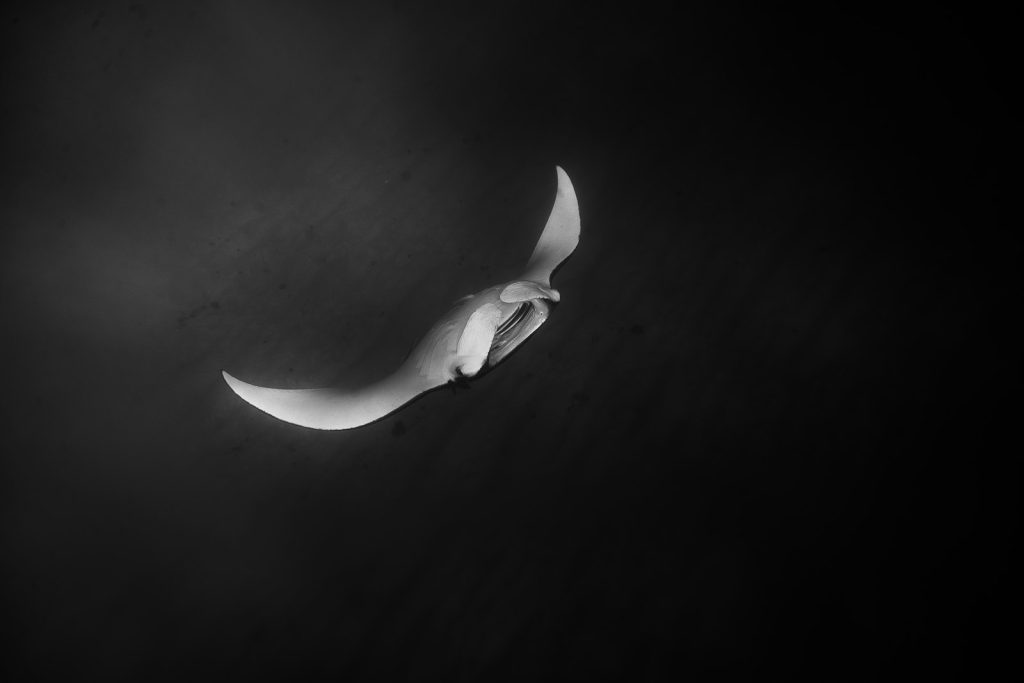
- Trip quality: You may not feel 100% every hour, but for most guests, the peaks—drifting past coral walls, watching manta rays glide, sunrise on Padar—far outweigh a few queasy hours.
Guests who arrive with realistic expectations, the right medication, and a flexible mindset tend to enjoy Komodo immensely—even those who consider themselves “motion sensitive”.
Frequently Asked Questions About Komodo Liveaboard Seasickness
Will I definitely get seasick on a Komodo liveaboard?
No. Many guests feel fine throughout their cruise, and many others only experience mild discomfort for a few hours on choppier crossings. The risk is higher if you already know you’re prone to motion sickness, are very anxious, or travel during windier or monsoon periods—but sensible preparation and timing reduce that risk significantly.
Are conditions calmer on shorter 3D2N or 4D3N trips?
Shorter trips don’t guarantee calmer seas, but they reduce how long you are exposed to motion and usually focus on central Komodo areas with shorter crossings. For motion-sensitive guests, starting with a 3D2N or 4D3N itinerary from Labuan Bajo is often more comfortable than committing to a much longer expedition.
Which cabins are best if I get seasick easily?
In general, cabins closer to the middle of the boat and lower in the hull experience smaller movement. On Komodo Signature and Komodo Prestige, our team can advise which available cabin best matches this profile for your dates. Booking early increases your choice.
Can I still dive if I’m taking seasickness medication?
Often yes, but it depends on the medication and how it affects you. Some motion sickness drugs cause drowsiness or slower reaction time, which matters underwater. Always consult your doctor before the trip, explain that you will be diving in currents, and follow their guidance. Let our dive team know what you are taking so they can monitor you appropriately.
What happens if I feel too sick to continue the cruise?
If you feel very unwell, tell the Cruise Director immediately. We can usually adjust your schedule—allow you to rest, skip dives, or stay close to Labuan Bajo, subject to safety and route reality. Early termination of a cruise for non-medical emergencies is logistically complex in a marine national park and may not always be possible exactly when you wish, but we will do everything we safely can to support you.
For tailored advice on seasickness, trip timing, and the right Komodo itinerary for you, message us on WhatsApp at +62 811-3823-875, email [email protected], or plan your trip with our Trip Designer team.