Good to know: Liveaboard Labuan Bajo is operated by Komodo Luxury, a real award-winning Indonesian liveaboard operator (TripAdvisor Travelers’ Choice 2022–2025, founded 2015, part of Juara Holding Group Limited). Komodo National Park (UNESCO 1991) requires park entry fees/permits — general information, verify current rates. Dive-site conditions and seasons are indicative and vary; Komodo currents are strong and many north sites are advanced. Marine life — mantas, hammerheads — is seasonal and wild, and can never be guaranteed. Prices are indicative ranges, by quote, and vary by vessel, cabin, season, trip length and open-vs-private. Enquiries and booking via WhatsApp +62 811-3823-875 and [email protected].
A komodo snorkeling trip is a multi-stop day tour or liveaboard cruise from Labuan Bajo that focuses on shallow reefs, coral gardens, and calm bays inside Komodo National Park. On a good itinerary you’ll snorkel several top Komodo snorkel sites in one day—seeing hard corals, reef fish, turtles, and seasonal manta rays—without needing scuba certification.
What Is a Komodo Snorkeling Trip, Exactly?
A snorkeling Komodo itinerary is usually:
- A 1‑day speedboat tour from Labuan Bajo, or
- A 2–4 day liveaboard cruise on a traditional phinisi like our Komodo Luxury vessels, combining snorkeling, beaches, and Komodo dragon trekking.
All trips operate inside Komodo National Park (established 1980, UNESCO World Heritage since 1991). The park is famous for:
- Strong currents (world-class for advanced diving)
- Shallow coral plateaus ideal for snorkelers
- Komodo dragons on Rinca and Komodo islands
- Seasonal manta aggregations
You do not need to be a diver to enjoy the park. Good snorkel routes stay in sheltered areas and time entries around the tides. Some high-current sites used for scuba—like Batu Bolong and Castle Rock—are not suitable for casual snorkelers and should only be attempted with very experienced guides, on the right tide and from a liveaboard that knows the timings.
Core Komodo Snorkel Sites & What You’ll See
Conditions here shift with tides and seasons, so take this as indicative, not a guarantee. Local briefings on the day always take priority.
| Area / Site (Snorkeling Focus) | Typical Snorkel Zone | Water Movement* | What You Commonly See | Suitability |
|---|---|---|---|---|
| Kanawa Island | Shallow fringing reef, 1–5 m | Mild, can be moderate on changing tide | Hard corals, reef fish, occasional turtles | Beginner–intermediate |
| Sabolo / Sebayur area | Gentle slope, 1–8 m | Generally mild | Coral gardens, schooling reef fish | All levels |
| Turtle Point–type reefs (various) | Reef flat & slope, 2–10 m | Mild to moderate | Green & hawksbill turtles, hard corals | Comfortable swimmers |
| Manta Point (Makassar Reef) | Shallow rubble & coral patches, 2–8 m | Moderate–strong, drift conditions | Seasonal manta rays, occasional sharks | Intermediate+ snorkelers; confident in current |
| Pink Beach–type bays | Fringing reef, 1–5 m | Generally mild inside the bay | Soft corals, anthias, macro life | All levels |
| Central Komodo reefs (liveaboard access) | Plateaus & slopes, 2–10 m | Moderate; can be strong off the edges | Healthy corals, schools, occasional pelagics | Guided, good water confidence |
*Currents in Komodo can be very strong. Guides may limit your snorkeling to specific parts of these sites, or skip a site entirely if the tide is wrong.
Signature Stops on a Komodo Snorkeling Trip
Kanawa Island: Easy First Reef
Kanawa is often used as a first or last stop on day tours. From a snorkeler’s perspective:
- Depth: Mostly 1–5 m over the reef, dropping deeper further out
- Experience level: Good for first-timers who are comfortable in the sea
- What you actually see:
- Patches of hard coral and sand
- Reef fish (sergeant majors, damselfish, butterflyfish)
- Occasional turtles and blue-spotted rays
It’s not the wildest reef in the park, but it’s an easy start before heading into more current-exposed areas.
Manta Point (Makassar Reef): High-Reward Drift
This is the big-name Komodo snorkel site most visitors ask about.
- Environment: Long, shallow channel with rubble, sand, and coral patches
- Conditions: Almost always some current; often a gentle to moderate drift, sometimes strong enough that the guide will cancel the snorkel
- Seasonality:
- Better manta probability roughly December–March when plankton levels rise
- Rays can be seen outside this window, but you should not expect them in big numbers year-round
What you might see:
- Reef manta rays cruising, feeding, or cleaning (on a good day)
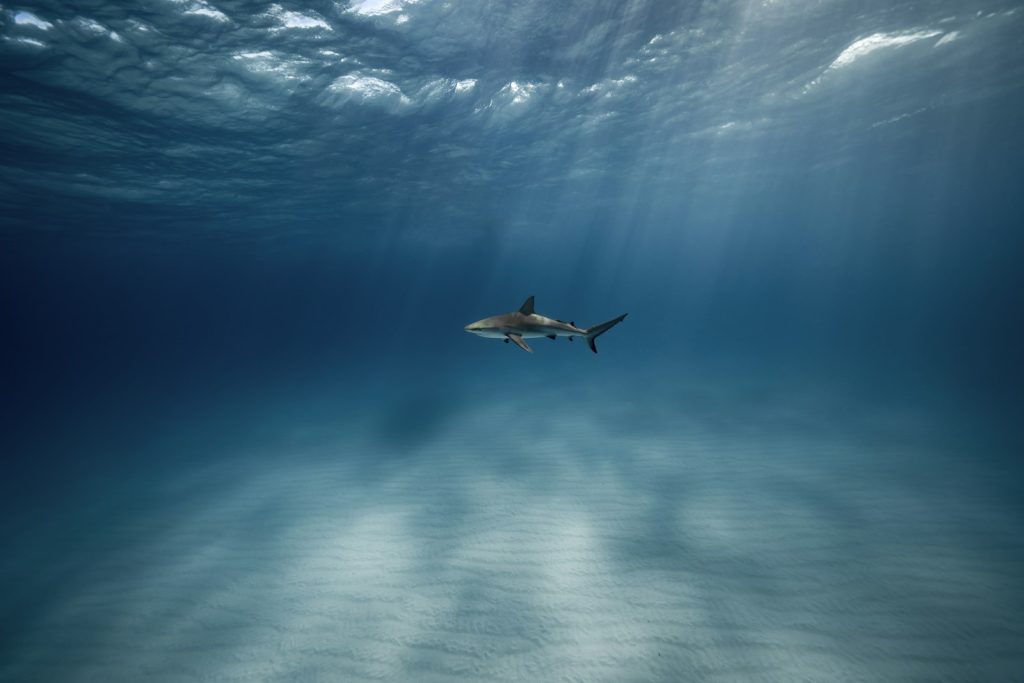
- Trevallies, fusiliers, and occasional reef sharks
- Turtles on coral patches
You usually enter the water up-current from the “cleaning stations” or feeding zones and drift with a guide and surface support. This is not a swimming pool: you must be able to float calmly, clear a snorkel, and listen to briefings. Life jackets are typically available for those who want them.
No operator can guarantee manta sightings here. We occasionally do a full drift with zero mantas; that’s part of dealing with wild animals.
Pink Beach & Other Coral Bays
Many Komodo snorkeling trips include a “Pink Beach”–type stop (there are several beaches in the park with pinkish sand from crushed red foraminifera).
- Reef zone: Right off the beach, usually 1–5 m
- Water: Generally calmer in the bay; watch for boat traffic
- What you see:
- Soft corals and sea fans in spots
- Clouds of anthias, damselfish, and wrasses
- Macro life on the sand and in rubble (nudibranchs, shrimps—easier to spot if your guide points them out)
These bays are perfect if you like to take your time, rest on the sand, and get back in. Ideal for mixed groups with children, non-swimmers (who stay in the very shallow part), and photographers who prefer bright, shallow water.
Turtle Reefs: Gentle Drifts with Green & Hawksbill Turtles
Several reefs in the park (often branded “Turtle Point” or similar by different operators) offer consistent turtle encounters in 3–10 m of water.
Typical experience:
- Snorkelers drift slowly along a reef slope
- Turtles rest on the bottom or surface for air
- Guides position you so the turtle passes below or beside you—not chased
You can reasonably expect to see turtles on a high percentage of visits, but again, nothing is guaranteed. Responsible guides will keep you at distance; chasing or grabbing turtles is not only unethical but can shorten the encounter.
Sabolo, Sebayur & Northern Fringes (Calmer Alternatives)
Areas like Sabolo and Sebayur, on the route between Labuan Bajo and the core of the park, often offer:
- More sheltered conditions compared to the exposed channels inside the park
- Sloping reefs from 1–8 m with mixed coral cover
- Good visibility outside the peak rainy months
These are solid sites for people who want color and fish without worrying about strong currents.
Snorkeling from a Day Trip vs Liveaboard
From Labuan Bajo, you have two main formats for a Komodo snorkeling trip.
- Fast-Boat Day Trip (Join-In)
- 1 long day (often 10–12 hours including transfers). Typical route: 3–4 snorkel sites, 1 Komodo dragon trek, 1 viewpoint (like Padar), and a beach stop. Good if you are short on time, less good if you dislike crowds or rushing.
- Private Day Charter
- Similar timing, but with a private boat and custom route. Better for families and groups who want flexibility, or who prefer easier snorkel sites and more time in the water instead of ticking every viewpoint.
- 2–4 Day Liveaboard (Phinisi)
- Overnight trips on traditional wooden phinisi such as our Komodo Signature and Komodo Prestige luxury vessels. You sleep onboard in AC cabins, move between north, central, and south Komodo, and hit reefs in early morning and late afternoon when they are quietest. Komodo dragons and famous viewpoints can be included, but you’re not forced to squeeze everything into one day.
As the Labuan Bajo liveaboard operator behind Komodo Luxury (founded 2015 under Juara Holding Group Limited, with TripAdvisor Travelers’ Choice Awards from 2022 through 2025), our bias is clear: for serious ocean time, a liveaboard gives you far more actual snorkeling and much less rushing.
If you want help choosing between a day trip and liveaboard, you can plan your trip with our team or message us on WhatsApp at +62 811-3823-875 for straightforward advice.
Seasons, Visibility & Realistic Expectations
Komodo is not the same every month. Conditions vary by monsoon patterns and plankton blooms.
Dry Season (roughly April–November)
- Surface conditions: Generally drier with more consistent sun, though seas in the south can still be rough
- Visibility: Often better in the north and central regions (15–25 m common), which is great for wide-angle snorkeling views
- Water temperature:
- North/central: usually warm, often 27–29°C
- South: can drop several degrees, thermoclines and cooler upwellings
Manta rays may still be seen at sites like Manta Point, but you should not expect peak numbers outside their best season.
Wet Season (roughly December–March)
- Surface conditions: More rain, occasional storms; some days are glassy calm, others rough. Operators cancel or adjust routes when needed.
- Visibility:
- In some channels, plankton reduces visibility—but that’s what draws mantas
- Reefs closer to shore can get some runoff, though Komodo’s terrain limits this compared to some mainland sites
For many snorkelers, this is the best window for manta probability, especially January–March, but it’s still never guaranteed.
Wildlife Is Wild: No Guarantees
You can structure your Komodo snorkeling trip to maximize chances:
- Choose the right season for what you want most (e.g., mantas vs. clear, calm water)
- Use operators that understand tides and currents
- Give yourself more than one day if mantas are a priority
But you should arrive mentally prepared that any of the following can happen:
- You snorkel Manta Point and see zero mantas
- Currents are too strong for your group at a famous site, so the captain skips it
- Visibility drops after rain or tidal changes
Guides will adjust the plan for safety and the overall experience, not to tick every Instagram location.
Currents & Safety: What Snorkelers Need to Know
Komodo sits between the Indian and Pacific Oceans; water funnels between islands and accelerates. That’s why the diving is excellent—and also why casual snorkelers need to respect the conditions.
How Strong Are the Currents?
It depends entirely on:
- Tidal phase (spring vs neap tides)
- Site choice (protected bay vs channel)
- Depth and exact position on the reef
On a well-run snorkel, your guide will:
- Choose calmer areas within a site
- Time entry and exit for the softer part of the tide
- Use the boat for mobile pick-ups, so you drift safely rather than fight the current
High-energy sites like Batu Bolong and Castle Rock are primarily advanced scuba spots. Snorkeling there is only for very experienced water people, only in specific sheltered zones, and only if conditions line up. Many operators avoid them entirely for snorkeling, and that’s reasonable.
Minimum Skills for Komodo Snorkeling
You do not need to be an athlete, but you should:
- Float comfortably for at least 30–45 minutes with a life jacket if needed
- Be able to clear a snorkel and mask
- Listen and respond to guide instructions
- Accept that sometimes you will sit out a site if the guide says it’s beyond your comfort or conditions
If you have non-swimmers in your group, a private charter or liveaboard with flexible scheduling is wiser than a packed speedboat itinerary.
Choosing a Komodo Snorkeling Trip Operator
Komodo is busy now. Quality and safety standards vary.
What to Ask Before Booking
-
How many snorkel sites will we actually visit?
Beware of itineraries that cram in too many land stops with only 1 short snorkel. -
What’s the maximum group size in the water per guide?
Smaller groups mean better supervision and wildlife etiquette. -
Do you adjust routes for tides and weather, even if that means changing the advertised plan?
A “fixed itinerary no matter what” is a red flag in a park defined by currents. -
Is snorkel equipment included and in what condition?
If you care about fit, bring your own mask and snorkel.
As the in‑house guide team for Komodo Luxury, we design our Labuan Bajo liveaboard cruises primarily around the sea conditions: early-water entries, flexible routing between north, central and south Komodo, and clear safety briefings before every snorkel.
Indicative Costs, Park Fees & Permits
Numbers in this section are general ranges, last verified June 2026. They change periodically; always confirm at the time of booking.
Trip Price Ranges from Labuan Bajo
-
Join-in fast-boat day trip (snorkeling-focused):
Often in the range of IDR 1.2–2.5 million per person, depending on season, vessel, and inclusions. -
Private day charter (simple local boat):
Typically starts from low tens of millions of IDR per boat for a basic wooden boat, more for speedboats or premium options. -
Luxury phinisi liveaboard (Komodo Luxury):
Usually multi-day packages priced per cabin or for full-boat charter. Expect higher per-night rates reflecting included accommodation, meals, guiding, and the class of vessel. We provide tailored quotes based on route length, season, and cabin choice.
For an accurate quote on our Komodo Signature or Komodo Prestige vessels, contact our sales team directly at [email protected] or WhatsApp +62 811-3823-875.
Komodo National Park Fees & Permits
Komodo National Park fees are structured by the authorities and change from time to time. Components may include:
- Conservation / entrance fee (weekday vs weekend differences in some periods)
- Trekking fee for visiting Komodo or Rinca island
- Snorkeling / diving marine activity fee
- Ranger and local guide fees
- Boat entry fees and admin charges
Most organized tours include these park fees in your package price, or list them clearly as extras. Always check:
- What is included in your quoted price
- What you’ll pay in cash on the day (if anything)
- Which days of the week your trip runs (some fees are/ were higher on Sundays/holidays in certain years)
For current park fee estimates and what they mean for your budget, you can plan your trip with our reservations team. We’ll give you an updated breakdown based on your travel dates.
Why Do a Snorkeling Liveaboard with Komodo Luxury?
If your main goal is time in the water rather than just ticking viewpoints, a multi-day liveaboard has clear advantages:
- More snorkel windows: Sunrise, late morning, afternoon, and sometimes sunset—rather than just two crowded midday stops.
- Flexibility: Move between north, central, and south Komodo based on weather, visibility, and your preferences.
- Smaller groups: Easier to manage in current and at manta sites, better wildlife behavior.
- Comfort: AC cabins, proper showers, chef-prepared meals—so you arrive at each snorkel rested, not exhausted.
Komodo Luxury operates its own fleet of premium phinisi liveaboards—currently including Komodo Signature and Komodo Prestige—all under Juara Holding Group Limited. Our focus is simple: safe, well-briefed time in the water, and clear expectations around what Komodo can and cannot deliver on a given week.
If you’d like an honest assessment of conditions for your dates and which itinerary fits your group’s swimming level, message us on WhatsApp at +62 811-3823-875 or plan your trip via our contact page.
FAQs
Do I need to be able to swim well for a Komodo snorkeling trip?
You should be comfortable floating in deep water, using a mask and snorkel, and following guide instructions. Life jackets are normally available, but Komodo has currents; total non-swimmers are better off staying very close to shore in calm bays or booking a private charter where the route can be adapted.
When is the best time to see mantas on a Komodo snorkeling trip?
Manta rays are more reliably seen around the wet season, roughly December to March, with many people targeting January–March. Even in that window, sightings are never guaranteed; they are wild animals affected by currents, plankton, and weather.
Is snorkeling in Komodo safe for children?
It can be, with the right planning. Choose calmer sites and bays, avoid the strongest channels, use life jackets, and keep a low adult-to-child ratio in the water. Many fast-boat day trips are quite rushed and may not be ideal for young kids; private charters or liveaboards with flexible schedules are usually better.
Can I join a liveaboard if I only want to snorkel and not dive?
Yes. Many Komodo liveaboards, including ours, accept snorkel-only guests and adjust briefings, pick-up points, and site choices accordingly. You’ll often use the same reefs as divers but stay on the shallow plateaus and in calmer zones.
How many days do I need for a good Komodo snorkeling experience?
One day is enough for a taste of the park, but 2–4 days give you far better odds of good conditions, manta encounters in season, and more relaxed time at each reef. Multi-day liveaboards from Labuan Bajo are the most efficient way to cover north, central, and (when suitable) south Komodo without constant rushing.