Good to know: Liveaboard Labuan Bajo is operated by Komodo Luxury, a real award-winning Indonesian liveaboard operator (TripAdvisor Travelers’ Choice 2022–2025, founded 2015, part of Juara Holding Group Limited). Komodo National Park (UNESCO 1991) requires park entry fees/permits — general information, verify current rates. Dive-site conditions and seasons are indicative and vary; Komodo currents are strong and many north sites are advanced. Marine life — mantas, hammerheads — is seasonal and wild, and can never be guaranteed. Prices are indicative ranges, by quote, and vary by vessel, cabin, season, trip length and open-vs-private. Enquiries and booking via WhatsApp +62 811-3823-875 and [email protected].
The best dive sites Komodo are the sites in Komodo National Park that consistently combine healthy reefs, challenging but manageable currents, and reliable big-fish action across the seasons. On this page I rank the top Komodo dive sites based on real conditions I guide in every week from Labuan Bajo — not on glossy brochure promises.
How I Ranked the Best Dive Sites in Komodo
Before we argue about favourites, here’s how I’m ranking the top Komodo dive sites:
- Diving quality: Coral health, fish density, macro life, and topography.
- Consistency: How often they actually “deliver” in real-world conditions.
- Challenge level vs reward: Is the current worth it for most certified divers?
- Seasonality: Sites that work across more months rank higher.
- Liveaboard suitability: How well they fit multi-day Komodo itineraries from Labuan Bajo.
This list is written from the perspective of a PADI Dive Guide based in Labuan Bajo, working on Komodo National Park liveaboard cruises operated by Komodo Luxury — part of the Juara Holding Group Limited. We run both open trips and private charters on our Komodo Signature and Komodo Prestige luxury phinisi yachts.
Komodo National Park was established in 1980 and became a UNESCO World Heritage Site in 1991. It’s an advanced-current destination: some of the best dive sites are only suitable for confident divers with experience in strong flow and negative entries.
If you want a tailored itinerary across these sites, you can always plan your trip with our team via email or WhatsApp.
Komodo At A Glance: Seasons, Currents & Certification
Komodo is not a “same every day” kind of destination. Conditions change with tides, moon, and monsoon patterns.
Below is an indicative overview (not a substitute for a proper dive briefing).
| Aspect | North Komodo | Central Komodo | South Komodo |
|---|---|---|---|
| Typical Dive Level | Advanced; strong currents | Open Water+; some advanced sites | Advanced/Open Water; cooler water |
| Main Season* | Apr–Nov (drier, clearer) | Year-round with variable viz | Dec–Mar (more plankton, cooler) |
| Average Visibility | Good–excellent (subject to tides) | Moderate–good | Low–moderate, very productive |
| Water Temperature | Approx. 27–29°C | Approx. 26–29°C | Approx. 22–26°C, thermoclines common |
| Headline Marine Life | Pelagics, sharks, schooling fish | Mantas, reefs, turtles, macro | Mantas (seasonal), critters, cold-water fish |
*Seasons are indicative and can shift; exact conditions change year to year.
For most liveaboard routes, Advanced Open Water or higher is strongly recommended, especially if you want Batu Bolong, Castle Rock, or strong-current manta dives. Open Water divers can still enjoy many sites, but the absolute top Komodo dive sites are often current-heavy and deeper.
Best Dive Sites in Komodo, Ranked
1. Batu Bolong – Komodo’s Pinnacle Powerhouse
If I had to choose one site that represents Komodo’s energy, it’s Batu Bolong.
Why it ranks #1:
- One of the densest fish aggregations in the park.
- Dramatic pinnacle, coral cover from shallow to deeper contours.
- Regular turtles, reef sharks, and occasional pelagics in the blue.
Reality check:
Batu Bolong is not a beginner site. Strong, swirling currents rip around the rock. We normally dive the sheltered side only, hug the reef, and strictly follow the guide. Some days, it’s too wild to dive safely.
What you actually see
On a good tide you can expect:
- Swarms of anthias, fusiliers, and surgeonfish.
- Napoleon wrasse, sweetlips, and schools of jacks or batfish.
- Turtles grazing the reef and white-tip reef sharks cruising.
- Macro like nudibranchs and scorpionfish on the coral terraces.
It’s spectacular even from 10–18 m, but we may step a bit deeper if conditions and training allow.
2. Manta Point (Makassar Reef) – Manta Highway, Not Manta Theme Park
Manta Point is often sold as “guaranteed mantas”. That’s marketing, not guiding.
Why it ranks #2:
- When the plankton is right, it can deliver frequent manta encounters.
- Long, easy drift (in the right conditions) across rubble, sand, and bommies.
- Accessible to Open Water divers when currents are manageable.
Reality check:
Mantas are wild animals and highly seasonal/plankton-driven. Some trips we see dozens. Other trips we see none. No operator can promise you manta rays.
What you actually see
- Reef mantas gliding over cleaning stations and cruising in the current.
- Eagle rays and cowtail rays on some dives.
- Turtles resting between coral heads.
- Blue-spotted stingrays, garden eels, and occasional cuttlefish.
Best encounters tend to align with higher plankton loads, which often means slightly lower visibility. Many guests are surprised the manta dives are “greener” than the typical postcard photo.
3. Castle Rock – Advanced Only, Big-Fish Zone
Castle Rock is one of the most intense top Komodo dive sites. It’s also one of the most mis-sold. You don’t hover over a postcard reef; you hang in the blue, ride up-currents, and watch the show.
Why it ranks #3:
- Strong chance of schooling fish: jacks, trevallies, surgeonfish.
- Regular reef sharks and occasional bigger surprises.
- Outstanding current-fed soft coral growth.
Reality check:
This is firmly an advanced site. We often use a negative entry, drop quickly, and grab onto rock in heavy current. You need buoyancy control, calm headspace, and recent dive experience.
What you actually see
- White-tip and grey reef sharks patrolling.
- Barracuda and trevallies hunting fusiliers.
- Huge schools of fusiliers and surgeonfish swirling overhead.
- Closer to the rock: soft corals, fans, and macro among the shelter zones.
We time Castle Rock to specific tides and moon phases. Sometimes we skip it for safety — even if it’s technically in range — because Komodo does not forgive complacency.
4. Crystal Rock – Sharky Sister to Castle
Crystal Rock is another current-swept site in north Komodo, often paired with Castle Rock on the same day.
Why it ranks #4:
- Similar big-fish potential to Castle, with more variety of terrain.
- Sheltered zones allow some relief from the main current.
- Good chance of reef sharks and schooling life.
Reality check:
Still advanced. Expect strong currents, possible downdrafts on the wrong side, and the need to listen closely to your guide’s positioning instructions.
What you actually see
- White-tip reef sharks around the slopes and ridges.
- Schooling batfish, fusiliers, and surgeonfish.
- Giant trevallies ambushing baitfish.
- Pygmy seahorses and small critters on sea fans if the current lets us explore.
5. Siaba Kecil – The Training Ground for Currents
Siaba Kecil is one of my favourite intermediate Komodo dive sites: a good step up from simple reef dives, but not as full-on as Castle Rock or Batu Bolong.
Why it ranks #5:
- Drift-style dive that teaches you how Komodo currents feel.
- Healthy hard corals with plenty of reef life.
- Suitable for confident Open Water divers under close guidance.
What you actually see
- Turtles, often several in one dive.
- Schools of snappers and sweetlips along the slope.
- Soft and hard corals in good condition.
- Occasional white-tip reef sharks.
We usually aim for a controlled drift along the reef, using the current rather than fighting it. Good place to build confidence before stepping up to the rougher sites.
6. Tatawa Besar – Easy, Colourful, Rewarding
Tatawa Besar is gentler than the “headline” sites, but for many guests it’s the dive they remember most.
Why it ranks #6:
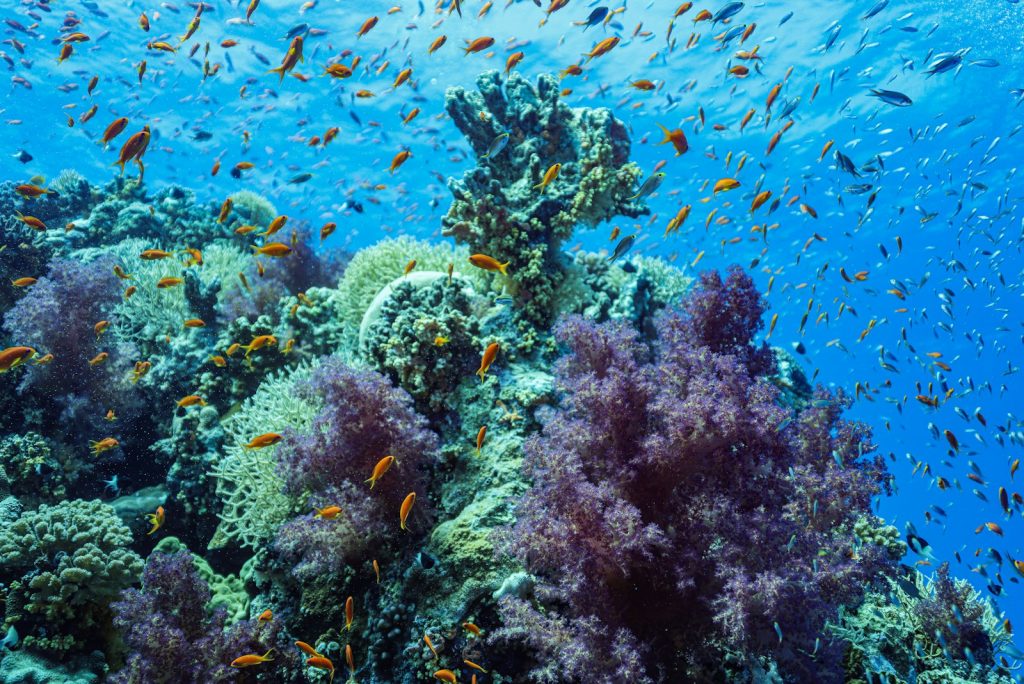
- Bright soft corals and swaying fields of orange and purple.
- Mild to moderate drift, often very relaxing.
- High fish density without the stress of extreme currents.
What you actually see
- Clouds of anthias and damselfish over coral slopes.
- Hawksbill turtles, usually feeding unbothered by divers.
- Reef fish diversity: parrotfish, butterflyfish, angelfish.
- Occasional eagle rays or reef sharks passing in the blue.
This is a great site for photographers who want to slow down, relax, and actually frame their shots instead of clinging to rocks.
7. Siaba Besar – Macro, Turtles & Training
Siaba Besar is often used as a training and check-dive site — but that doesn’t mean it’s boring.
Why it ranks #7:
- Sheltered bay; usually low current and good for skill refreshers.
- Excellent for macro and beginners.
- Reliable turtle encounters.
What you actually see
- Turtles resting on coral bommies or feeding on the seagrass.
- Nudibranchs, shrimps, and various macro subjects.
- Juvenile fish in the shallows.
- Occasionally cuttlefish and octopus.
For new divers or those who haven’t been in the water for a while, Siaba Besar is where we rebuild comfort before we take you into the heavier Komodo flow.
8. Shotgun (Taka Toko) – Adrenaline Drift With Control Required
Shotgun is a narrow pass where water accelerates between islands, compressing fish and plankton.
Why it ranks #8:
- High-adrenaline drift with the chance of big fish and, seasonally, mantas.
- Unique “washing machine” / “shotgun” effect in the channel.
- One of the most fun rides in the park when conditions align.
Reality check:
This site can be chaotic if you don’t follow instructions. You need decent current experience and the ability to equalize fast on drops.
What you actually see
- Dense schools of surgeonfish, jacks, and fusiliers.
- Occasionally mantas moving through the channel (never guaranteed).
- Sharks around the deeper parts and ridges.
- Hard corals where the current slows.
We plan Shotgun carefully around tides to keep it fun rather than terrifying.
9. Golden Passage – Scenic Drift Corridor
Golden Passage is a channel between islands, known for its pretty coral and relaxed drift (on the right tide).
Why it ranks #9:
- Good compromise between action and accessibility.
- Scenic coral gardens with a consistent mild-to-moderate drift.
- Works well as a second or third dive of the day.
What you actually see
- Soft and hard corals lining the channel.
- Reef fish schools and occasional sharks.
- Turtles and sometimes rays.
- Macro life on the coral heads.
Again, timing is everything. On mis-timed tides, this can be more work than fun.
10. South Komodo Manta Sites – Seasonal, Cold, Rewarding
In the south of Komodo, several manta cleaning and feeding sites come into their prime in roughly December–March, when cooler, nutrient-rich water moves in.
I won’t list individual spot names here because conditions and regulations evolve, but as a group these sites deserve a place in any “best dive sites Komodo” list.
Why they rank #10 overall:
- Seasonal manta congregations when conditions are right.
- Cooler water and lower visibility, but high productivity.
- Often fewer boats than central Komodo manta sites.
Reality check:
- Water can drop several degrees; a thicker wetsuit or hooded vest is wise.
- Visibility can be low, sometimes under 10 m, but packed with plankton.
- Mantas still aren’t guaranteed; we plan around the best windows, but nature decides.
What you actually see
- Mantas circling cleaning stations or feeding in lines.
- Larger schools of fish taking advantage of rich water.
- Cold-water fish species and interesting macro.
South Komodo days are often a highlight of longer 4–6 night liveaboard itineraries.
Quick Comparison: Top Komodo Dive Sites by Level & Character
- Batu Bolong
- Advanced; pinnacle; extremely fishy, very current-dependent.
- Manta Point (Makassar)
- Open Water+; long drift; seasonal mantas, rubble and bommies.
- Castle Rock
- Advanced; open-water seamount; strong currents, sharks and schools.
- Crystal Rock
- Advanced; mixed terrain; strong currents, reef sharks, schooling fish.
- Siaba Kecil
- Intermediate; drift reef; turtles, corals, moderate current.
- Tatawa Besar
- Open Water+; colourful drift; soft corals, turtles, high fish density.
- Siaba Besar
- Beginner-friendly; sheltered bay; macro and turtles, low current.
- Shotgun
- Advanced; narrow pass; fast drift, schooling fish, high-energy ride.
- Golden Passage
- Intermediate; channel; scenic drift, corals and mixed marine life.
- South Komodo manta sites
- Open Water+/Advanced; seasonal; cooler water, mantas and rich plankton life.
How Many Days You Need to Cover the Best Dive Sites
From Labuan Bajo, liveaboard itineraries with Komodo Luxury typically range from 3 days / 2 nights to 7 days / 6 nights, depending on season and demand. We adjust routes to match tides, wildlife windows, and your certification level.
Indicatively:
- 3D/2N trips:
- Central Komodo highlights
- Often Manta Point, Siaba Besar/Kecil, Tatawa, plus a check dive
-
Good for newer divers or those with limited time
-
4D/3N – 5D/4N trips:
- Add more “must-dive” sites like Batu Bolong and potentially Shotgun or Golden Passage (conditions and certification permitting)
-
Good balance between variety and budget
-
6D/5N – 7D/6N trips:
- Time to include north Komodo (Castle Rock, Crystal Rock) and south Komodo (seasonal manta and cooler-water sites)
- Best choice if you want the full range of the best Komodo dive sites ranked here
Trip prices vary widely based on season, cabin type, and charter vs open trip, but indicative ranges (last verified June 2026) for luxury phinisi liveaboards in Komodo are often somewhere in the mid to upper hundreds of USD per person for shorter trips up to several thousand USD per person for longer premium itineraries. Exact quotes depend on your dates and configuration; contact our sales team for specifics.
If you want help choosing an itinerary that realistically includes the sites you care about — and that matches your experience — you can plan your trip with our Komodo specialists via WhatsApp at +62 811-3823-875 or email [email protected].
Park Fees, Permits & Regulations (General Info)
Komodo National Park has a layered system of:
- Entrance fees
- Diving/snorkelling fees
- Ranger/trekking fees for dragon walks
- Boat/harbour fees
These vary by:
- Nationality (Indonesian vs foreign visitors)
- Day of the week (weekdays vs Sundays/holidays)
- Activities (diving vs land trekking vs snorkelling)
The structure has changed several times over recent years, and there is recurring discussion about future adjustments. Because of that, any fixed number you read online risks being outdated.
As of June 2026, a realistic guideline is:
- Expect total park-related charges over a multi-day liveaboard to reach the equivalent of tens of USD per person per day, depending on your exact activities and length of stay.
- These fees are usually added to your trip cost or paid on-site through your operator.
For the most accurate and current figures, we recommend:
- Asking our reservations team for a breakdown for your specific dates and planned activities.
- Remembering that park rules, zonings, and access policies can shift with relatively short notice as the authorities manage conservation goals.
Diving Komodo with Komodo Luxury Liveaboards
Komodo Luxury, based in Labuan Bajo and operating under the Juara Holding Group Limited, runs dedicated Komodo National Park dive cruises on our own luxury phinisi vessels:
- Komodo Signature
- Komodo Prestige
We focus exclusively on the Labuan Bajo–Komodo area, offering:
- Open trips: join-in departures with set dates and itineraries.
- Private charters: fully customized trips for groups, clubs, families, and underwater photographers.
From 2022 through 2025, Komodo Luxury has consistently received TripAdvisor recognition in their traveller-awards programs, reflecting guest feedback across those years. We don’t claim to be the only operator here, but we do build our itineraries around real local knowledge of Komodo’s tides, seasons, and dive-site challenge levels.
Onboard you can expect:
- Fully guided diving with briefings tailored to actual tidal windows.
- Small group ratios according to your certification level.
- Flexible plans: if Castle Rock is raging but unsafe for the group, we pick a safer but still high-quality alternative rather than forcing the schedule.
If you want a Komodo liveaboard that treats currents and diver safety seriously, reach out to our team to plan your trip via WhatsApp (+62 811-3823-875) or email ([email protected]).
FAQs: Best Dive Sites in Komodo
Do I need to be Advanced to dive the best sites in Komodo?
For sites like Batu Bolong, Castle Rock, Crystal Rock, and Shotgun, Advanced Open Water or equivalent and recent experience in currents are strongly recommended. Open Water divers can still enjoy many central Komodo sites, but some of the top Komodo dive sites are simply not suitable in full force for beginners.
When is the best time of year to see mantas in Komodo?
Mantas can be seen year-round at certain sites, but activity tends to peak around specific plankton-rich periods, often in the central and southern parts of the park. Roughly speaking, south Komodo manta sites are more active in the cooler months (around December–March), while central sites can be productive in the drier season as well. There are no guarantees; they are wild animals and follow food, not calendars.
Are hammerhead sharks common in Komodo?
Hammerhead sightings in Komodo are occasional and highly seasonal. They are not a reliable, everyday feature of standard dive itineraries. Some deeper offshore areas may see them at certain times, but no responsible guide or operator will promise hammerhead encounters.
Is Komodo suitable for beginner divers?
Parts of Komodo are suitable for beginners, especially sheltered sites like Siaba Besar and some central reefs when currents are mild. However, the very best dive sites in Komodo are current-intensive and better suited to divers with solid buoyancy and comfort in moving water. Many guests choose to log more dives and advance their training before attempting the strongest sites.
How far in advance should I book a Komodo liveaboard?
For peak season (roughly June–September and major holidays), booking several months in advance is wise, especially if you want specific cabin types or a private charter. Shoulder and off-peak dates can sometimes be arranged closer to departure, but space on quality vessels is limited. Contact our team early to match your dates with the right itinerary and boat.
If you’re ready to match your experience level with the best dive sites Komodo can offer, our team at Komodo Luxury can help you structure a safe, high-impact liveaboard plan. Reach us via plan your trip, WhatsApp at +62 811-3823-875, or email [email protected].