Good to know: Liveaboard Labuan Bajo is operated by Komodo Luxury, a real award-winning Indonesian liveaboard operator (TripAdvisor Travelers’ Choice 2022–2025, founded 2015, part of Juara Holding Group Limited). Komodo National Park (UNESCO 1991) requires park entry fees/permits — general information, verify current rates. Dive-site conditions and seasons are indicative and vary; Komodo currents are strong and many north sites are advanced. Marine life — mantas, hammerheads — is seasonal and wild, and can never be guaranteed. Prices are indicative ranges, by quote, and vary by vessel, cabin, season, trip length and open-vs-private. Enquiries and booking via WhatsApp +62 811-3823-875 and [email protected].
Komodo vs Raja Ampat liveaboard is essentially a choice between high-energy, current‑driven adrenaline dives with dragons on land (Komodo) and remote coral biodiversity and softer conditions in many areas (Raja Ampat). Both are world‑class, but they suit different seasons, budgets, experience levels and expectations, so the right answer depends on how you like to dive and when you can travel.
Quick Answer: Komodo or Raja Ampat Diving?
If you want short flights from Bali, a mix of easy reefs and seriously advanced current sites, plus a real chance of manta encounters in season, Komodo National Park is usually the better fit. If you want the highest coral and fish diversity in Indonesia, longer trips, more travel time and generally higher budgets, Raja Ampat wins.
For context:
- Komodo: Accessed via Labuan Bajo, Flores. Strong currents are part of the deal. Peak dry-season diving roughly April–November. Famous for current‑swept pinnacles, manta aggregations in season and dramatic topography.
- Raja Ampat: Accessed via Sorong, West Papua. Main liveaboard season roughly October–April. Known for reefs packed with species, schooling fish and widespread soft corals; some sites also have powerful currents, but you can design mellower itineraries.
Komodo Luxury operates expert‑led Komodo National Park liveaboards from Labuan Bajo aboard our own luxury phinisi, with both scheduled open trips and full‑boat private charters. For Raja Ampat, we advise guests independently and refer to trusted partners; no one can pay to change what we publish, and if you proceed with a partner they may pay us a referral fee at no extra cost to you.
Komodo vs Raja Ampat Liveaboard: Key Facts Side by Side
| Factor | Komodo (from Labuan Bajo) | Raja Ampat |
|---|---|---|
| Main access airport | Labuan Bajo (LBJ), Flores | Sorong (SOQ), West Papua |
| Typical trip length | 3–7 days (common), up to ~10–12 days | 7–12 days (common), longer expeditions possible |
| Best liveaboard season* | Roughly April–November | Roughly October–April |
| Water temperature (indicative) | ~24–28°C; cooler thermoclines possible | ~27–30°C; usually warmer overall |
| Typical viz range* | ~10–30 m depending on area & season | ~10–30 m depending on area & season |
| Currents | Frequent strong currents; many sites advanced | Variable; some channels/pinnacles very strong, many moderate |
| Main highlights | Komodo dragons, manta sites in season, pinnacles, drifts | Extreme coral & fish diversity, lush reefs, remote islands |
| Indicative liveaboard budget** | ~US$250–600+ per person per night | ~US$300–800+ per person per night |
| Ideal for | Strong swimmers, current‑confident divers, mixed land+sea | Biodiversity fans, photographers, guests with more time |
*Conditions are indicative and can vary trip to trip. Always check current forecasts and briefings on board.
**Last verified June 2026. Exact pricing depends on vessel, cabin and season; Komodo Luxury quotes on request.
Seasonality: Opposite Peaks Make Them a Perfect Pair
If you can only travel once, season should heavily influence your komodo vs raja ampat liveaboard decision.
Komodo Season (From Labuan Bajo)
Komodo National Park was established in 1980 and became a UNESCO World Heritage Site in 1991. It sits between the Pacific and Indian Oceans, which is why currents and seasonal shifts are so pronounced.
Indicatively:
- Dry season and main Komodo liveaboard window: roughly April–November
- Typically more stable weather, better topside visibility and more reliable surface conditions for tenders and crossings.
- North and central Komodo often give clearer water during this period.
- Rainier, windier months: roughly December–March
- Some operators reduce schedules or adapt itineraries based on sea state and wind.
- Certain manta sites in central Komodo can be productive at this time, but conditions are more variable.
Manta rays and other large animals are wild and never guaranteed. There are months where encounters are more frequent, but any operator promising mantas “every day” is overselling.
Raja Ampat Season
Raja Ampat sits far to the east. The main reason most liveaboards focus here at different times than Komodo is wind and swell patterns.
Broadly:
- Primary Raja Ampat liveaboard season: roughly October–April
- Calmer seas across large parts of the region, especially the popular Dampier Strait and central zones.
- Less common liveaboard window: roughly May–September
- Some boats do operate, often in more sheltered parts of Raja, but trip options are fewer.
Because the peak seasons are almost opposite, an ideal pattern for many divers is:
- Komodo liveaboard between April–November, then
- Raja Ampat liveaboard between October–April.
If you want help matching your available dates to the right region and route, message our team on WhatsApp at +62 811-3823-875 or plan your trip with a short form and we’ll respond with tailored options.
Dive Style: Adrenaline Komodo vs Immersive Raja Ampat
Both regions are advanced marine environments. Currents are part of the package, especially in Komodo. The difference is how often those currents define a typical day.
Komodo: Current‑Driven, High‑Energy Diving
From Labuan Bajo you reach central and northern Komodo quickly, which is where many of the famous advanced sites sit.
Without quoting fixed depths, here is an indicative profile of the style of diving at some headline areas (conditions always checked on the day):
- Castle Rock (North Komodo)
- Open‑ocean seamount. Often strong currents, sometimes very strong. Advanced only. Negative entries and timely descents are standard. Reward: hunting trevally, sharks, big schooling fish when conditions align.
- Batu Bolong (Central Komodo)
- Towering pinnacle rising close to the surface. Fierce currents on the sides; guides only dive the sheltered faces and only in manageable flow. Advanced buoyancy and close control essential to avoid being pushed into the wrong areas.
- Cauldron/Shotgun (Gili Lawa area)
- Topographically fun channel dive. Can be an exhilarating drift with a “jet” effect through the narrow section. Only done on the right tide and with current‑capable divers.
- Central Komodo Reefs & Slopes
- Places like Siaba Besar and other protected bays can be much calmer and suitable for training dives, try dives and macro‑oriented easy cruising.
Komodo is not just hardcore pinnacles, but even “moderate” sites can pick up strong flow quickly. For liveaboards, this means:
- Expect drift dives and live boat pickups to be normal.
- DSMB use, quick descents, and listening to briefings are essential.
- North Komodo in particular is for divers who are already comfortable in current.
If your logbook is light and you’re still working on buoyancy or situational awareness, talk to us honestly. Komodo Luxury regularly runs trips where we adapt the site selection to the actual group, using more protected central and southern sites and progressing you step by step.
Raja Ampat: Diversity First, Currents Where You Choose Them
Raja Ampat’s hallmark is site diversity over a huge area. You can:
- Spend a trip in Dampier Strait focusing on manta cleaning stations and fishy reefs.
- Head to Misool with dramatic soft‑coral‑covered slopes and seamounts.
- Mix in mangroves, bays and shallower reefs that are far gentler than the hardest Komodo channels.
However, Raja is not “easy” by default. Some Dampier Strait spots and exposed pinnacles can also deliver very strong currents and reward advanced divers with walls of fish and pelagics.
Difference vs Komodo:
- It’s often easier to design a Raja Ampat route that stays mostly moderate for experienced Open Water / Advanced divers who are new to current.
- There are also many long, slow, shallow dives suited to photographers and critter hunters.
If you primarily want big‑animal, big‑current drama, Komodo delivers that more consistently. If you’re obsessed with coral health, species counts, and long macro and wide‑angle sessions, Raja Ampat has the edge.
Marine Life: What You Actually See
Komodo Marine Life Highlights
Komodo sits the Coral Triangle. Across a one‑week Komodo liveaboard you might see (conditions allowing):
- Reef sharks (whitetip, blacktip; grey reef on some sites).
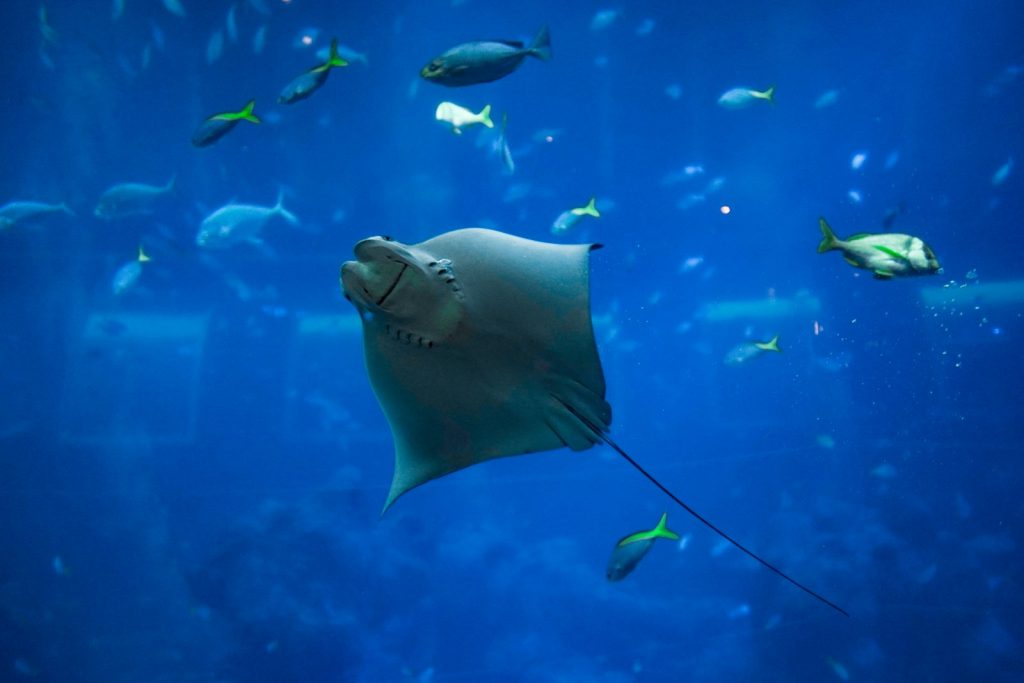
- Manta rays at known cleaning and feeding stations in season.
- Napoleon wrasse, giant trevally, schooling fusiliers, batfish, jacks on current‑washed sites.
- Turtles, often daily.
- Macro: nudibranchs, frogfish, pygmy seahorses, octopus, and other critters in calmer bays.
- Healthy hard‑coral gardens, sponges, sea fans.
Topside, of course, you have Komodo dragons on Komodo and Rinca, plus impressive savannah hills and narrow channels.
Important reality check:
- Manta rays are seasonal and wild. Some months see frequent encounters, some weeks don’t.
- Hammerheads are not a Komodo mainstay the way they are in certain other Indonesian regions; occasional reports happen, but they are not a reliable highlight here.
Anyone promising mantas or hammerheads on a fixed schedule is selling fantasy.
Raja Ampat Marine Life Highlights
Raja Ampat is celebrated for sheer biodiversity:
- Extremely dense reef fish biomass: big schools of fusiliers, snappers, sweetlips, barracuda, jacks.
- Both hard and soft corals in almost overwhelming variety.
- Regular reef sharks, turtles, bumphead parrotfish, wobbegongs on some sites, and occasional mobula or manta encounters in known areas.
- Macro: everything from tiny pygmy seahorses to varied nudibranchs and crustaceans, especially on less‑washed reefs and jetties.
Raja Ampat is not primarily sold as a “big shark” region in the same way as some other global shark hotspots. The joy is how packed the reef is from 5 m to depth, not one specific trophy species.
Experience Level & Certifications: Who Each Region Suits
You can dive both Komodo and Raja Ampat as an Advanced Open Water diver, but your site options will differ.
Komodo: Honest Look at Difficulty
For a Komodo liveaboard from Labuan Bajo, we recommend:
- Minimum: Advanced Open Water (or equivalent) plus recent dives.
- Comfortable: 30–50+ logged dives, including prior current experience, if you want to do the full northern Komodo pinnacles and channels.
Why:
- Many signature sites in north Komodo are firmly advanced, with fast surface drifts, downwellings and changing conditions during a single dive.
- Entrances and exits require discipline and good gas awareness.
Less‑experienced divers can enjoy:
- Protected central Komodo reefs and slopes.
- Easy macro dives.
- Land‑and‑sea itineraries that keep to milder sites.
If you’re still new but committed, our team can help you plan a trip that’s honest about what you won’t dive yet, instead of dropping you straight on Castle Rock and hoping for the best. Contact us at [email protected] or plan your trip and tell us your real logbook, not your dream one.
Raja Ampat: Flexible for Intermediate to Advanced
For a typical Raja Ampat liveaboard:
- Minimum: Advanced Open Water is still advisable due to depth profiles, currents and remote operations.
- Many itineraries are very workable for divers in the 20–40 dive range, provided they’re comfortable with liveaboard routines.
- Strong current “action” sites in channels and straits still demand confident skills, similar to Komodo’s requirements.
Because the area is so big, operators can often adjust the mix of easier and harder dives more than we can in current‑dominated northern Komodo.
Trip Length, Logistics and Budget
Getting There
- Komodo (Labuan Bajo)
- Usually reached via domestic flights from Bali or Jakarta to Labuan Bajo (LBJ).
-
Shorter hop, simpler logistics if you’re already in Indonesia’s main gateways.
-
Raja Ampat (Sorong)
- Requires flights to Sorong (SOQ), typically via Jakarta, Makassar or Manado.
- Longer travel, often with overnight stays depending on connections.
Typical Trip Lengths
- Komodo liveaboards from Labuan Bajo
- Popular options are 3–4 day short trips up to 6–7 day itineraries that cover central and north.
-
Longer 9–12 day cruises allow more southern Komodo and extended exploration.
-
Raja Ampat liveaboards
- Usually 7–10 days as a baseline because the region is so spread out.
- Many expeditions go 10–12+ days to reach multiple sub‑regions (Dampier, Misool, north Raja, etc.).
If you only have 5–7 days total off work, Komodo is far more realistic from a door‑to‑door perspective.
Budget Ranges (Indicative)
Last verified June 2026. These are ballpark per person per night ranges across the market, not fixed offers:
- Komodo liveaboards: Around US$250–600+ per person per night depending on:
- Vessel standard (budget, mid‑range, luxury)
- Cabin type (shared vs master)
-
Season and trip length
-
Raja Ampat liveaboards: Around US$300–800+ per person per night, reflecting:
- Longer trips and distances
- Higher operational costs due to remoteness
- Concentration of high‑end vessels in the region
Komodo Luxury operates Komodo Signature and Komodo Prestige, both luxury phinisi under Juara Holding Group Limited. We run:
- Open trips: book a cabin and join other divers.
- Private charters: full‑boat bookings ideal for clubs, families or photography groups.
Exact quotes are trip‑specific; contact us by WhatsApp (+62 811-3823-875) or plan your trip and we’ll send a transparent breakdown.
Park Fees, Permits and Conservation
Both Komodo National Park and Raja Ampat implement marine park fees and permits. These funds support conservation, local communities and management.
- Komodo National Park
- Established 1980, UNESCO World Heritage Site since 1991.
- Fees can include: per‑day park entry, diving/snorkelling charges, ranger fees for dragon walks, and boat permits.
-
Regulations and tariffs change periodically; always check current structures ahead of travel.
-
Raja Ampat
- Uses a marine park tag / environmental fee system valid for a period (often a year) plus sometimes additional local charges.
- Again, exact amounts and rules are subject to updates.
We intentionally do not quote exact fee amounts because they are revised from time to time. When you enquire with Komodo Luxury, we clarify the current applicable fees for your dates and itinerary and include them clearly in your quote wherever possible.
Which Is Better for You: Komodo or Raja Ampat?
Here is a streamlined decision guide:
If This Sounds Like You, Choose Komodo
- You want to fly in from Bali or Jakarta and start diving quickly.
- You’re happy with 3–7 day trips and don’t have two weeks to spare.
- You like or want to learn to enjoy current‑driven dives and drifts.
- You’re excited by manta potential in season, but accept they’re not guaranteed.
- You also want topside experiences like trekking and seeing Komodo dragons.
Komodo will give you high‑impact dives, strong tidal flows, and a compact, dramatic landscape. It’s very physical diving in the best way.
If This Sounds Like You, Choose Raja Ampat
- You can commit to longer trips and more complex travel.
- Your priority is biodiversity, coral cover, and fish density over raw current intensity.
- You want a wide mix of dive types: walls, gentle reefs, mangroves, bays, jetties.
- You’re a photographer or naturalist who enjoys long, detailed dives over fast action.
Raja Ampat is the place to slowly accumulate species and shoot frame after frame of dense life.
Doing Both, Properly Sequenced
Many of our repeat guests plan:
- Komodo liveaboard during its dry season (roughly April–November) for rough‑water skills, mantas in season and dragons, then
- Raja Ampat liveaboard during its main season (roughly October–April) for the biodiversity “grand tour”.
If that appeals, we can help map out a multi‑year Indonesia dive plan tailored to your certification and goals. Start a conversation at [email protected] or plan your trip and mention you’re comparing Komodo and Raja.
Why Plan Komodo with Liveaboard Labuan Bajo & Komodo Luxury
Komodo Luxury is part of Juara Holding Group Limited and focuses on premium Komodo National Park liveaboards from Labuan Bajo, operating:
- Komodo Signature – luxury phinisi liveaboard
- Komodo Prestige – luxury phinisi liveaboard
We have been active in Komodo since 2015, and our service has been recognised with TripAdvisor awards from 2022 to 2025. We don’t need to oversell Komodo; the currents and wildlife speak for themselves.
Choosing us for Komodo means:
- Operator‑owned boats: we control the itineraries and safety culture on our vessels.
- Diver‑driven planning: we are blunt in trip design; if a route is too advanced for your experience, we’ll say so.
- Labuan Bajo base: logistics, transfers and pre/post‑trip stays are handled every week, not occasionally.
For Raja Ampat, we act as honest advisors and connect guests to partner operations when appropriate. No one can pay to change our editorial; if we suggest a partner, it’s because we’d put our own friends on that boat, and if you book through them they may pay us a referral fee at no extra cost to you.
To compare specific dates, cabins and budget ranges, message us on WhatsApp at +62 811-3823-875 or plan your trip and ask directly: “Komodo vs Raja Ampat for my dates and experience — what’s smarter?”
FAQs
Is Komodo or Raja Ampat better for beginners?
Neither region is ideal for absolute beginners. Komodo has frequent strong currents and many advanced sites; Raja Ampat has easier areas but still involves remote operations and occasional strong flow. If you have fewer than 20 dives, build experience first or choose a very carefully selected, sheltered‑site itinerary discussed openly with the operator.
Can I see mantas in both Komodo and Raja Ampat?
Yes, both regions have manta cleaning and feeding areas, but sightings are seasonal and never guaranteed. Komodo’s central sites can have excellent manta activity in certain months; Raja Ampat’s Dampier Strait and some southern areas also see regular mantas. Any trip should treat them as a strong possibility, not a promise.
Is Raja Ampat more expensive than Komodo?
On average, Raja Ampat liveaboards are pricier than Komodo, reflecting longer trips, greater distances and higher operating costs. Indicatively, many Komodo trips fall around US$250–600+ per person per night, while Raja Ampat often runs around US$300–800+ per person per night, last verified June 2026. Exact costs depend on the vessel and season.
Can non‑divers enjoy a Komodo or Raja Ampat liveaboard?
Yes, but the experience is different. In Komodo, non‑divers can snorkel many sites, enjoy dragon walks, short hikes and beach time. Raja Ampat also offers excellent snorkelling and island visits, but days are still structured around dive schedules. If non‑divers are joining, discuss this with us so we can suggest the right boat and itinerary.
How far in advance should I book a Komodo or Raja Ampat liveaboard?
For peak months in both regions, 6–12 months in advance is sensible, especially for private charters or specific cabin types. Shoulder‑season trips and last‑minute spots do exist, particularly in Komodo, but flexibility helps. Contact Komodo Luxury early via WhatsApp at +62 811-3823-875 or plan your trip so we can hold realistic options while you confirm flights and dates.