Good to know: Liveaboard Labuan Bajo is operated by Komodo Luxury, a real award-winning Indonesian liveaboard operator (TripAdvisor Travelers’ Choice 2022–2025, founded 2015, part of Juara Holding Group Limited). Komodo National Park (UNESCO 1991) requires park entry fees/permits — general information, verify current rates. Dive-site conditions and seasons are indicative and vary; Komodo currents are strong and many north sites are advanced. Marine life — mantas, hammerheads — is seasonal and wild, and can never be guaranteed. Prices are indicative ranges, by quote, and vary by vessel, cabin, season, trip length and open-vs-private. Enquiries and booking via WhatsApp +62 811-3823-875 and [email protected].
A komodo liveaboard for beginners is a multi‑day dive trip in Komodo National Park designed around easier sites, gentler currents, and solid supervision for newer divers. In Komodo that means carefully choosing season, itinerary, and operator, because this is a current‑heavy destination where not every site is suitable for beginner diving.
Is Komodo Good for Beginners? The Honest Answer
Komodo is one of the best marine destinations in Indonesia, but also one of the most current‑affected. So the fair answer to “is Komodo good for beginners?” is:
- Yes, if you are already a confident basic diver, pick the right season, and join a conservative liveaboard.
- No, if you just finished your Open Water course yesterday and have never dealt with current, buoyancy, or basic problem‑solving underwater.
As PADI Dive Guide based in Labuan Bajo, my personal rule of thumb:
- Ideal: 20–30 logged dives, Advanced Open Water (or equivalent), recent diving.
- Possible with care: 10–20 dives, Open Water, good overall comfort, willing to skip advanced sites.
- Not recommended: brand‑new divers, rusty after years out of the water, or anyone anxious in current.
Komodo’s famous highlights — Batu Bolong, Castle Rock, Crystal Rock, Shotgun — are advanced current sites. Beginners can still enjoy a Komodo liveaboard by focusing on the central and south‑central reefs and by accepting that they may sit out some of the wilder dives.
Komodo in Context: Park, Seasons & Conditions
Komodo National Park was established in 1980 and became a UNESCO World Heritage Site in 1991. The park sits in the middle of the Indonesian Throughflow, where Pacific and Indian Ocean waters squeeze between islands. That’s why the reefs are so rich — and why currents are serious.
Conditions are indicative, not guaranteed, but this is the practical seasonal picture for beginner diving in Komodo:
- Best season for beginners (overall)
- Generally April–June and September–November: often good visibility, fewer extreme winds, and manageable currents on carefully chosen sites.
- Drier, busier high season
- July–August: typically good visibility in the north and central areas but can bring stronger winds and more challenging surface conditions.
- Rainy/low‑season window
- December–March: more rain and occasional swell; however, manta activity at certain sites can be very good. Some operators schedule maintenance during peak rainy periods.
- Average visibility range
- Indicatively 10–30 m, often clearer in the north; can drop temporarily after storms or plankton blooms.
- Water temperature
- Approx. 24–29°C. Central/north often warmer; south can drop to ~22–24°C during upwellings.
- Currents
- From mild to very strong. North and certain channels are often advanced. Every dive is current‑planned by tide, moon, and experience.
None of this is guaranteed day‑to‑day. Komodo is wild ocean, and conditions change with tides, weather, and moon cycles. Any responsible operator should brief you clearly on each dive and let you skip dives you’re not comfortable with.
Beginner Diving in Komodo: What You Can Realistically Do
A Komodo liveaboard for beginners is not a “shallow‑reef‑only” holiday. You can still see:
- Healthy hard and soft coral gardens
- Reef sharks on many dives
- Turtles, schooling fusiliers, trevallies
- Macro life: nudibranchs, shrimps, pygmy seahorses on the right sites
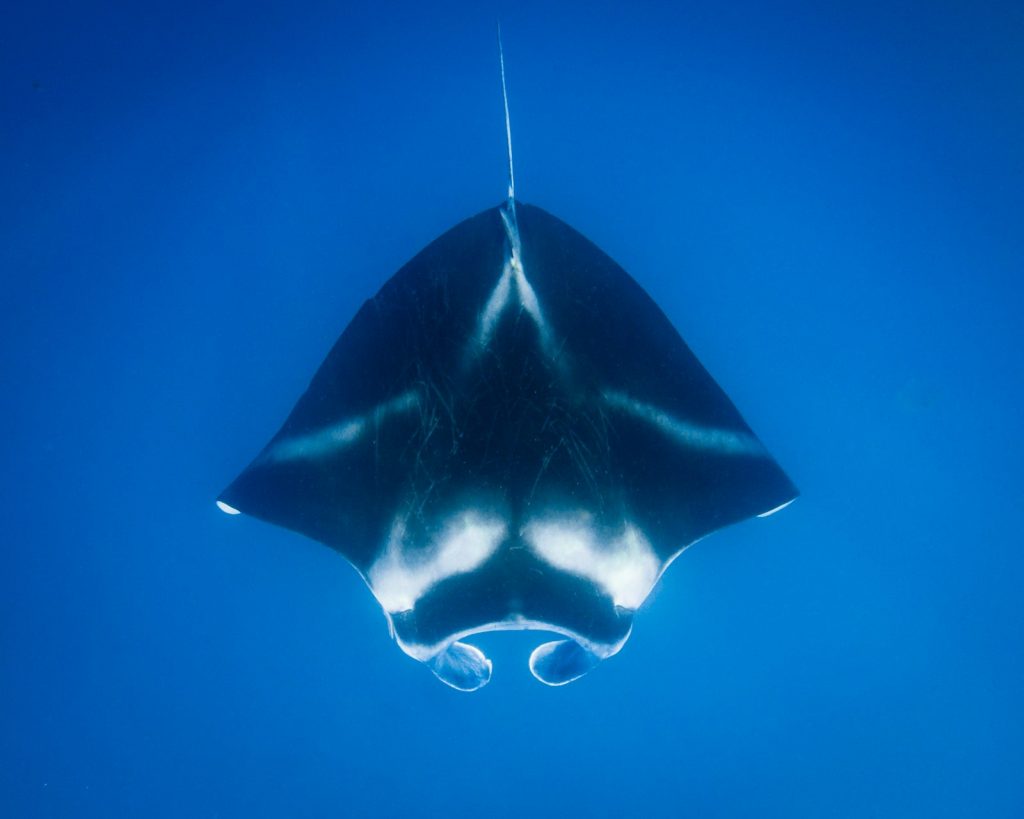
- Manta rays in season
But you should expect:
- Depths planned conservatively (often 12–18 m for the main part of the dive)
- Easier entries/exits chosen where possible
- Tide‑timed dives to avoid peak current
- The option to skip high‑octane sites like Batu Bolong, Castle Rock, Shotgun when conditions are roaring, or if your experience doesn’t match the plan
At Komodo Luxury, most of our beginner‑friendly itineraries use:
- Central Komodo’s fringing reefs and sandy bays
- Selected northern sites in milder conditions
- Occasionally south‑central sites when the weather window allows
If you want tailored advice for your certification and logbook, you can always plan your trip with our team via email or WhatsApp at +62 811‑3823‑875.
Core Beginner‑Friendly Komodo Dive Areas
Instead of promising specific depths or conditions we can’t control, here’s how I actually think about areas for newer divers.
1. Central Komodo: Your Main Playground
Central Komodo is where most beginner diving in Komodo happens. From Labuan Bajo, this is also the most accessible part of the park.
Common central‑area features:
- Gentler slopes and sandy patches: easier for buoyancy, easier to abort early if needed.
- Variable current but often manageable when timed right.
- Good mix of coral, schooling reef fish, and macro.
Example site types you might do as a beginner:
- Protected reef bays: Coral gardens, sand, patch reefs; typically used for check dives and later relaxed dives.
- Gentle drifts along sloping reef: Guides monitor current closely and keep the group compact.
- Sandy/rubble macro sites: Great for nudibranchs, shrimps, and seahorses, especially on slower current phases.
Some central marquee sites (like Batu Bolong) are often not beginner‑level when currents pick up. Even if your boat anchors nearby, your guide may decide that the profile is not appropriate for you that day. A good crew will be honest with you about this.
2. North Komodo: Powerful Currents, Powerful Reefs
The northern area is where reputations are made — and where beginners can get badly overwhelmed if mis‑matched to conditions.
Key points:
- Stronger, more complex currents are common here — including downcurrents and washing‑machine effect behind pinnacles.
- Sites like Castle Rock and Crystal Rock are often firmly advanced: negative entries, blue‑water descents, and staying hooked in or behind shelter at depth.
- On the right tide, some northern fringing reefs can be acceptable for more experienced beginners under tight supervision — but they are not “easy” by default.
If you are new and a boat is advertising “all the famous northern current sites for everyone,” be cautious. On our cruises, we routinely split groups: advanced divers may hit the pinnacles while newer divers do a nearby, more protected reef or a second dive on a safer site.
3. South & South‑Central Komodo: Cooler Water, Rich Life
The south (Rinca/Komodo southern shores and nearby small islands) is known for:
- Cooler, nutrient‑rich water
- Seasonal manta cleaning stations and feeding grounds
- Often lower visibility but dense life
For beginners:
- Temperatures and vis can be a shock if you’re used to tropical “pool” conditions.
- Some sites are fine for newer divers when currents are slack or moderate.
- Others involve surge, thermoclines, and cross‑currents that require more experience.
Our approach on Komodo Luxury liveaboards is to assess these sites per trip. If a south‑central site looks gentle and half the guests are newer divers, we brief conservative limits and send extra support in the water. If it’s pumping current or swell, newer divers either sit it out or we choose an alternative.
Beginner‑Friendly vs Advanced Komodo Sites: At a Glance
Below is an indicative comparison of site types, not a strict rulebook. Your actual dive plan will depend on your guide’s judgment on the day.
| Site Type (Example) | Typical Skill Level | Current Profile (Indicative) | What Beginners Can Expect |
|---|---|---|---|
| Protected bay / coral garden | Beginner–Intermediate | Often mild, may have gentle drift | Check dives, skills refresh, fishy reefs, macro, relaxed pace. |
| Gentle sloping reef (central) | Beginner–Intermediate | From mild to moderate; tide‑dependent | Good for building comfort with drifts and buoyancy. |
| Channel / pass (central–north) | Intermediate–Advanced | Moderate to strong; can shift direction | Possible for experienced beginners on soft tides; abort if too strong. |
| Offshore pinnacle (e.g. Castle‑type) | Advanced | Often strong, turbulent, potential downcurrents | Generally not suitable for beginners, even on “good” days. |
| Manta cleaning station (south/central) | Beginner–Intermediate | From mild to surprisingly strong; variable | Can be beginner‑friendly with strict depth and positioning rules. |
Again, this is indicative. Any site in Komodo can feel advanced on the wrong tide, and even relaxed beginners can be overwhelmed by a sudden current pulse. That’s why operator, guiding, and group management matter more here than almost anywhere I dive.
Marine Life Expectations for Beginners: Mantas, Sharks & More
Komodo is rich, but it is still the open ocean. No operator can guarantee wildlife. If they do, be suspicious.
Here’s the realistic picture:
Manta Rays
- Seasonality: You may see mantas year‑round, but encounters cluster around certain months and sites depending on plankton and currents.
- Beginner suitability: Many manta cleaning or feeding sites are within Open Water depth limits, but currents can range from mild to “hang on to your mask.”
- Reality check: Some trips see mantas on multiple dives. Others, none at all. Even in peak windows.
Reef Sharks & Pelagics
- Reef sharks (white‑tips, black‑tips, sometimes grey reefs) are common, including on beginner‑friendly reefs.
- Trevally, tuna, mackerel, barracuda: frequently seen on central and northern dives.
- Hammerheads: Occasionally reported in certain seasons and deeper, more exposed zones. These are advanced‑only and absolutely not guaranteed. Treat any hammerhead mention as a bonus, not a goal.
Macro & Reef Life
Beginners can enjoy some of Komodo’s strongest points:
- Colorful soft and hard corals
- Nudibranchs, shrimps, crabs
- Pygmy seahorses on the right sea fans (with a patient guide)
- Turtles grazing or sleeping on the reef
Some of the best macro is in relatively calm areas. On beginner‑oriented cruises, we often favor those dives late in the trip when buoyancy has settled and guests want slower, detail‑oriented dives.
Certification & Experience: Are You Ready for Komodo?
Komodo Luxury accepts a range of experience levels on our trips, but we’re direct about what each level should expect.
Minimum Level for a Komodo Liveaboard
Indicatively:
- Open Water Diver (or equivalent): absolute minimum.
- Recommended: Advanced Open Water with 20+ dives, some recent current experience.
If you’re Open Water only and around the 10–20 dive mark:
- Be honest with us about your logbook and comfort.
- Expect to skip some advanced sites.
- Consider adding:
- An Advanced course at the start of your trip in easier conditions, or
- At least a refresher in Labuan Bajo if you haven’t dived in a while.
We do not recommend Komodo liveaboards as a straight “learn to dive from zero” environment. Complete your Open Water elsewhere first, in more controlled conditions.
Fitness & Comfort
Komodo isn’t a place to fight your body. You’ll get more out of your trip if:
- You are comfortable swimming without a buoyancy device.
- You can handle moderate surface chop and climbing ladders in full gear.
- You can equalize easily and deal with minor mask/fins issues without panicking.
If you’re unsure, tell us. We would rather design a conservative plan than coax you into a dive profile you’re not ready for.
How Long Should Beginners Stay on a Komodo Liveaboard?
For newer divers, I usually recommend:
- 3 days / 2 nights: Good if your time is limited, but you’ll only scratch the surface.
- 4 days / 3 nights: Solid introduction; enough to see central highlights, maybe a taste of north or south if conditions and experience allow.
- 5+ days: Best choice if you want more flexibility to pick and choose dives, repeat favorite calmer sites, and allow genuine skill progression mid‑trip.
Longer itineraries also help with weather variability: if one day is windy or currents are awkward, we can reposition and still give you a strong overall experience.
What a Beginner‑Friendly Komodo Liveaboard Includes
Trip inclusions vary slightly by vessel and season, but on Komodo Luxury’s own phinisi liveaboards — the Komodo Signature and Komodo Prestige — beginner divers can typically expect:
- Accommodation in air‑conditioned cabins aboard a traditional yet modern luxury phinisi
- Full‑board meals and snacks, water/tea/coffee
- Three to four dives per day on full diving days (depending on conditions and your comfort), plus optional night dives where appropriate
- Tanks, weights, and dive guiding (ratio adjusted according to experience, site, and conditions)
- Briefings tailored to experience level, including current behavior, negative entries, and lost‑buddy procedures
- Park entrance and diving permits usually arranged by our team (paid separately according to the latest regulations)
- Use of tenders for pickups and current‑aware drops
Higher‑end phinisi cruises like ours are not the cheapest way to see Komodo. As of last verified June 2026, indicative pricing for luxury liveaboards in Komodo often falls into a broad range per person of several hundred to a few thousand US dollars for multi‑day trips, depending on:
- Duration (3–8 days or more)
- Season (peak vs shoulder/low)
- Cabin category (shared, private, suite)
- Charter vs scheduled departure
- How many dives and extras are included
We quote trips individually based on your dates, group size, and cabin choice. For a precise estimate, you can plan your trip with our sales team or contact us via WhatsApp at +62 811‑3823‑875 or email at [email protected].
Why Choose Komodo Luxury as a Beginner Diver
Liveaboard Labuan Bajo is operated by Komodo Luxury, part of Juara Holding Group Limited. We run our own fleet — not just reselling other boats — and focus specifically on premium phinisi cruises in Komodo.
A few facts that matter for beginners:
- Founded in 2015 and based in Labuan Bajo
- Operates the Komodo Signature and Komodo Prestige luxury phinisi liveaboards
- Recognized by guests with Tripadvisor Travelers’ Choice Awards from 2022 through 2025 (source: Tripadvisor public listings for Komodo Luxury)
- Experienced Indonesian and international dive crews who know Komodo’s tides, seasons, and escape routes intimately
For you as a newer diver, that translates into:
- Honest pre‑trip screening of your experience so we don’t oversell “advanced” sites.
- Trip‑by‑trip, dive‑by‑dive assessment of conditions — we cancel or relocate dives if they become inappropriate for the group.
- Group splits whenever possible: experienced divers can chase stronger current dives, while beginners follow more conservative plans.
- Emphasis on safety and comfort over ticking off name‑drop sites.
We also maintain a broader guide to routes and vessels here on our main liveaboard pillar; you can explore that from our Labuan Bajo and Komodo liveaboard overview pages on liveaboardlabuanbajo.com.
Park Fees, Permits & Practicalities for Beginners
Komodo National Park fees and dive permits are set by Indonesian authorities and can change. Depending on your nationality, days in the park, and activities (diving, trekking, camera fees), the total per‑day cost can vary significantly.
Current practice:
- Your liveaboard normally collects the necessary fees from you and processes the permits with park authorities.
- We make it clear on your invoice what is included in the trip price and which fees must be paid on board in cash (often in Indonesian Rupiah).
- Because regulations change, we always phrase these as “indicative, please verify close to your trip date.”
As of June 2026, it is safest to contact us directly or check the latest updates from Komodo National Park and tourism authorities for approximate current fee structures. Our reservations team will walk you through the latest info during trip planning.
How to Make Komodo Work for You as a Beginner
To summarize the practical steps:
- Be honest about your logbook and comfort. Tell us your real number of dives, when you last dived, and any issues you’ve had.
- Choose the right trip length. If in doubt, aim for 4–5 days rather than trying to cram it all into 2–3.
- Hit the water before you fly to Labuan Bajo. A pool or ocean refresher in Bali or your home country can transform your confidence.
- Pack for flexibility.
– 3–5 mm wetsuit (cooler water possible, especially in the south)
– Reef‑safe sunscreen, hat, and simple seasickness meds if you’re prone - Mentally accept that you might skip some dives. You’re better off enjoying 12 comfortable dives than surviving 16 stressful ones.
- Ask questions on board. About currents, escape plans, and what to do if separated or uncomfortable mid‑dive.
If you want help matching your current level to an itinerary and season, reach us via plan your trip or WhatsApp at +62 811‑3823‑875.
FAQs: Komodo Liveaboard for Beginners
Do I need to be Advanced Open Water to join a Komodo liveaboard?
No, you don’t strictly need Advanced Open Water, but it helps a lot. With Open Water and around 10–20 dives, you can join a beginner‑friendly itinerary, provided you accept conservative dive plans and may skip advanced sites. With Advanced and ~20+ dives, we can include more varied profiles.
Is Komodo safe for beginner divers?
Komodo can be safe for beginners if the operator is conservative, the guide team is experienced, and you are honest about your skills. The park has strong, complex currents, so it is not a “learn to dive from scratch” destination. Safety here depends heavily on site selection, tide timing, and group management.
Will I definitely see manta rays or hammerhead sharks?
No. Manta rays and hammerheads are wild animals, and sightings are seasonal and never guaranteed. Many beginner‑friendly itineraries do include manta‑type sites when in season, but you should treat any big animal encounter as a bonus, not a promise.
Can I complete my Advanced course during a Komodo liveaboard?
In some cases, yes. It depends on the instructor availability, trip profile, and your prior experience. Doing Advanced during a liveaboard can work well if the course is structured conservatively and not used as an excuse to push you into conditions you’re not ready for. Contact us in advance to check options for your dates.
How much does a beginner‑friendly Komodo liveaboard cost?
As of last verified June 2026, luxury Komodo liveaboards typically range from several hundred to a few thousand US dollars per person for multi‑day trips, depending on length, season, and cabin type. Exact quotes vary by departure and availability, so the best way to get an accurate figure is to plan your trip with our team or message us on WhatsApp at +62 811‑3823‑875.